
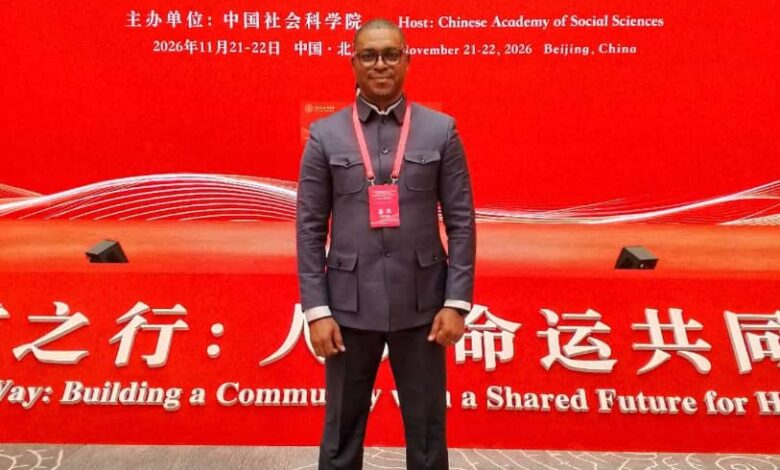
Reading XIJINPING : THE GOVERNANCE OF CHINA has been an intellectually rewarding journey for me. The ideas of mutual learning among civilizations and win‑win cooperation laid out in this book offer an important frame of reference for understanding China‑Africa people‑to‑people exchanges and partnership. Its emphasis on respecting each country’s independently chosen development path and advancing a community with a shared future for mankind also runs through the practice of the Belt and Road Initiative and China‑Africa friendly cooperation. These concepts are not abstract ideals confined to theoretical discussion; they translate into tangible, everyday actions that shape the way China engages with African nations as equal partners, rather than as recipients of one‑sided assistance.
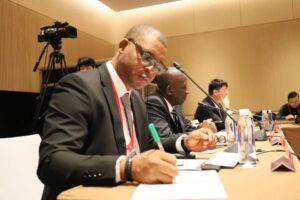
Carrying forward the spirit of peaceful exchanges on the ancient Silk Road, the Belt and Road Initiative is not confined to physical connectivity such as roads, railways and ports. Its deeper purpose is to bring peoples closer across geographical divides and foster mutual learning between civilizations. Under the framework of the Forum on China‑Africa Cooperation, the China‑Africa partnership rests firmly on political trust, cultural exchange and solidarity. Cooperation stretches far beyond infrastructure and commodity trade. Many African technicians receive hands‑on training opportunities to master practical skills, young students pursue further studies in China with generous scholarship support, and cultural platforms including Confucius Institutes have taken root in Cameroon and many other African countries. Languages, knowledge, traditions and cultures flow freely in both directions, building up lasting humanistic momentum for long‑term China‑Africa cooperation and nurturing emotional bonds that outlast the completion of any single engineering project.
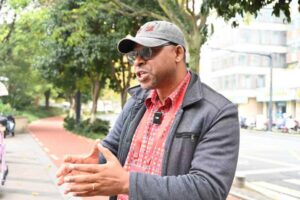
Cameroon’s development experience offers a tangible real‑world example of these ideas. Guided by its Vision 2035 industrialization agenda, Cameroon has steadily carried out cooperation in transport hubs, energy, telecommunications, agriculture and other sectors under the Belt and Road framework, alongside growing people‑to‑people ties. Such cooperation fully respects Cameroon’s own development priorities and enables African nations to steer their own development agenda. This aligns closely with the book’s argument that there is no single universal model for modernization. Each society draws strength from its own history and cultural heritage, and external collaboration should serve local aspirations rather than impose pre‑set outside blueprints.

The global public discourse landscape today is complex, and many biased narratives persist, often framing China‑Africa cooperation through distorted lenses. In my view, the most reliable way to resolve misunderstandings is to expand cultural and academic exchanges. Upholding the Bandung spirit of solidarity and equality among developing countries, channels such as academic dialogues, youth exchanges and cultural events help African communities build more balanced, diverse perceptions beyond narrow external narratives. As an African researcher, I believe sustained humanistic dialogue creates space for honest listening and genuine mutual appreciation. Rooted in mutual respect, mutual learning and sincerity, dialogue between Chinese and African civilizations can keep expanding, paving the way for inclusive, shared prosperity across our continents.
Léon-Marie Nkolo Ndjodo, Associate Professor at the University of Yaoundé, Cameroon
 Français
 简体中文
 English